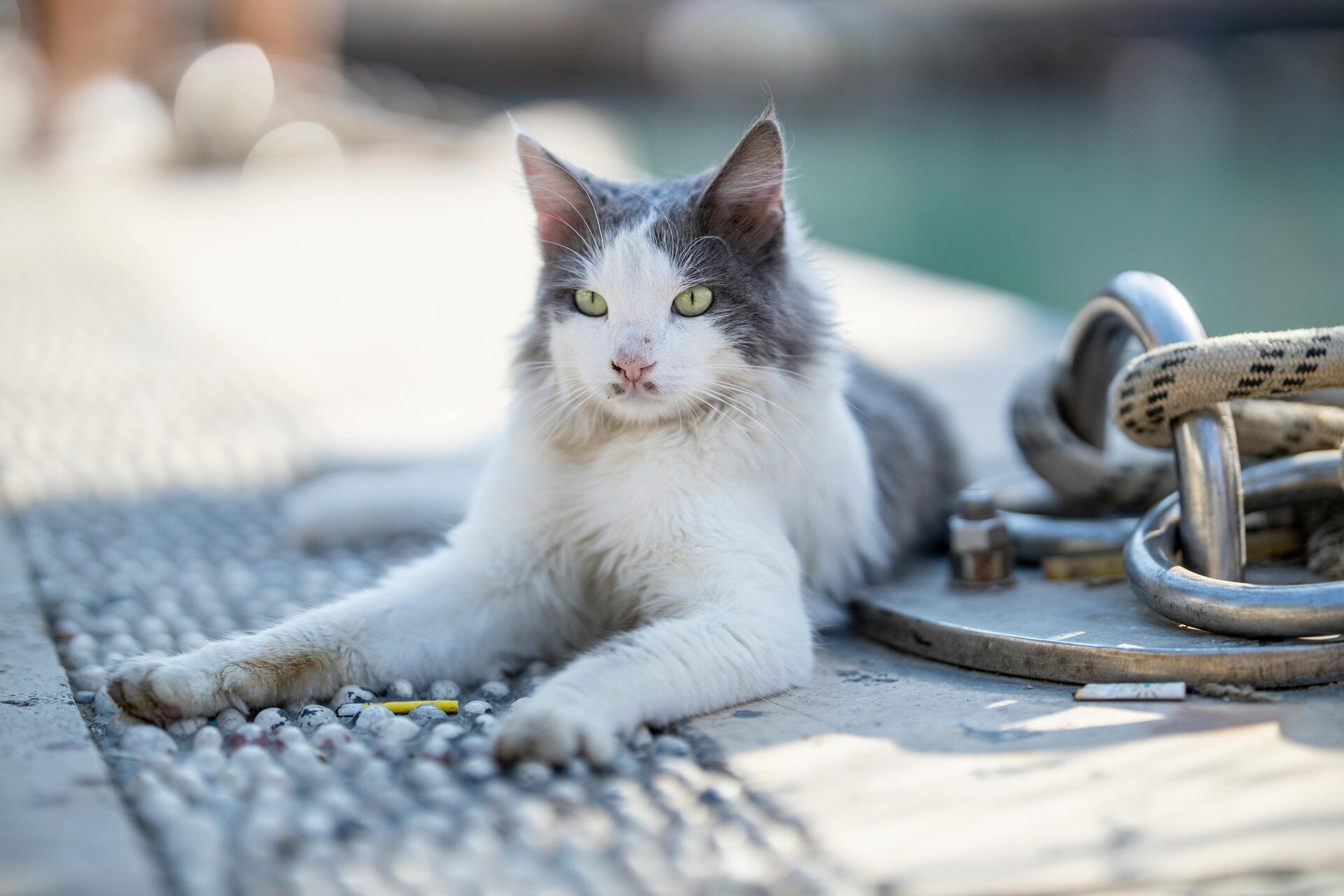
Advocating for ethical animal breeding
Welcome to The Ethical Litter, where we explore the crucial impacts of animal breeding on welfare and health. Discover our passion for promoting responsible practices and join us in fostering a better future for all animals.
Our mission: Promoting responsible practices
The Ethical Litter website aims to define ethical breeding through the lens of the Five Domains Model of animal welfare, prioritizing physical health, appropriate environmental conditions, behavioural expression, and positive mental states over aesthetic or production-driven extremes.
Ethical breeding is characterized by:
→ Selection for functional anatomy and physiological resilience
→ Maintenance of genetic diversity
→ Integration of evidence-based veterinary care
→ Commitment to lifetime welfare responsibility
Ultimately, this framework aims to ensure that all animals, regardless of species, are bred and managed in a way that supports not only survival but optimal well-being across their lifespan. Together, these components emphasize that ethical breeding is not a single decision point, but a continuous system shaped by genetics, management, and consumer responsibility.

Introduction: The Ethical Foundation of the Human-Animal Bond
The human-animal bond represents a complex, multidimensional relationship grounded in mutual benefit, trust, and ethical responsibility. Within both companion and large animal systems, this bond extends beyond emotional connection and into a framework of duty of care, where humans are responsible for ensuring that animals experience not merely survival, but a “life worth living”. Contemporary animal welfare science, particularly through frameworks such as the Five Domains Model and the Five Freedoms, emphasizes that welfare encompasses physical health, environmental quality, behavioural expression, and, critically, the animal’s mental state.
In both veterinary medicine and animal production systems, there is a growing shift away from viewing animals as commodities toward recognizing them as sentient beings with intrinsic value. This shift is particularly important in breeding contexts, where decisions made at the genetic and management level directly shape lifetime welfare outcomes. Whether in companion animals (e.g., dogs and cats) or large animals such as horses and cattle, ethical sourcing is foundational to preserving the integrity of the human-animal bond and preventing the normalization of suffering through poor breeding practices.

Reframing Consumer Responsibility
Traditionally, acquiring an animal has been framed as a transactional process, ie, “purchasing” a pet or livestock animal. However, this perspective fails to account for the profound ethical implications embedded within breeding systems. A welfare-centred approach reframes this process as supporting a biological and ethical system, where consumer choices directly influence breeding standards, animal health, and long-term welfare outcomes.
In large-animal contexts, such as the equine and bovine industries, this is especially critical. Selection for performance traits (e.g., speed in horses or milk yield in dairy cattle) has historically led to unintended welfare consequences, including metabolic stress, structural weakness, and increased disease susceptibility. Similarly, in companion animals, aesthetic-driven breeding has resulted in chronic conditions that compromise respiration, mobility, and neurological function. Therefore, informed consumer decision-making becomes a powerful tool in promoting genetic responsibility, functional fitness, and sustainable animal care systems.
Educational Pathway
This website is structured into six interconnected sections designed to guide users from foundational theory to practical application.
Tab 1 - Ethical Breeding Practices
Explores the scientific and veterinary principles underlying responsible breeding, including genetic testing, reproductive management, and welfare-centred husbandry practices in both large and companion animals.
Tab 2 - The Realities of Backyard Breeding
Examines the physiological and psychological consequences of substandard breeding systems, highlighting the direct relationship between profit-driven practices and compromised animal welfare.
Tab 3 - Ethical Animal Sourcing
Provides a practical, evidence-based guide for identifying responsible breeders, emphasizing welfare indicators aligned with veterinary standards and the Five Domains.
Tab 4 - Environmental Impacts of Breeding
Analyzes the broader ecological and One Health implications of high-volume breeding, including resource use, waste management, and community-level impacts.
Tab 5 - Breed-Specific Welfare Case Studies
Applies welfare science to real-world examples, demonstrating how selective breeding for extreme traits can result in chronic health and welfare challenges across species.
Resources and References
Offers a curated collection of peer-reviewed literature, veterinary guidelines, and practical tools to support informed decision-making and continued learning.
Diagnostic Red Flags: Identifying Unethical Breeding
A critical component of ethical animal sourcing is the ability to identify warning signs of substandard breeding practices before any transaction occurs. Across both large and companion animal systems, several key indicators are consistently associated with compromised welfare:

Absence of veterinary oversight or a valid veterinary-client-patient relationship (VCPR).

Lack of genetic screening or health records.

Poor environmental conditions, including overcrowding and inadequate sanitation.

Limited opportunities for natural behaviour and environmental enrichment.

Evidence of chronic stress, fear, or maladaptive behaviours in breeding stock or offspring.
From a welfare perspective, these conditions represent failures across multiple domains, particularly health, environment, and mental state, and often result in long-term physiological and behavioural consequences. Recognizing these red flags empowers consumers to avoid supporting unethical systems and reinforces the role of informed decision-making in protecting animal welfare.